
Greetings, colleagues 😊
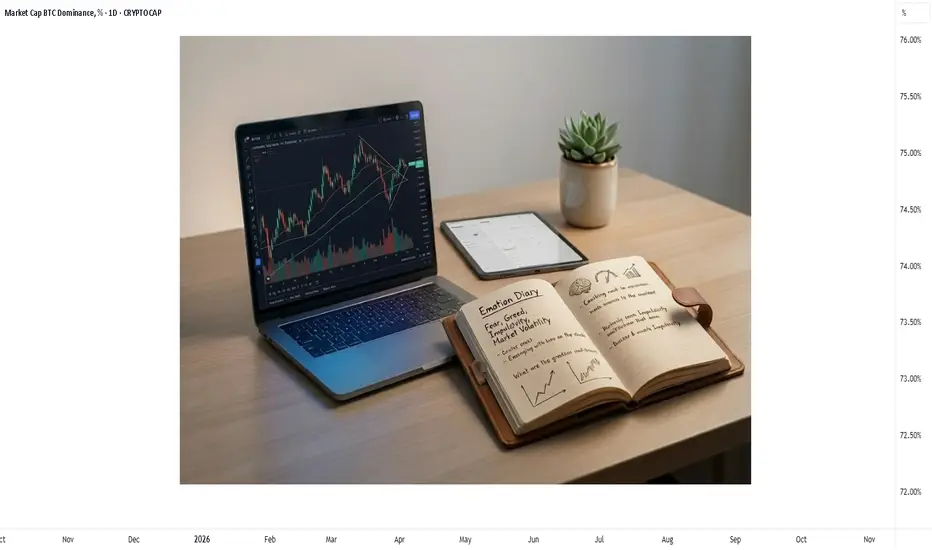
▫️The second part is about the "Diary of emotions" in trading
To compile such an observation table, you can use:
▪️ Excel - recommended for beginners. Using formulas to automatically calculate the frequency of emotions, R:R by condition, percentage of violations.
▪️ Notion - for advanced users. The ability to create databases, filter by date, tool, emotion, add comments and attach screenshots.
A text file (TXT) or "by hand" is a minimal format, but requires discipline. Suitable for those who do not use digital tools.
💡 Filling is required after each transaction.
*️⃣ The maximum allowed time for recording observations is 15 minutes after closing a position, as emotions become "blunted" as time passes and much becomes less obvious.
▫️If there are no transactions on the day, record: "Trading was not carried out" with an indication of the reason (for example, "lack of signal", "rest", "for health reasons").
▫️Skipping an entry violates the validity of the data - the diary loses its analytical value.
💡I also recommend conducting a weekly analysis
Every week (Sunday/Monday), a structured analysis of records from the previous week is conducted. The goal is to identify statistical patterns.
📍The analysis can be performed using the following metrics:
1. Emotion frequency: The number of entries for each category (calm, nervous, etc.). Determine which emotions are dominant.
2.Percentage of emotion violations: the number of violations in emotion X.
The total number of entries with emotion X × 100% is to identify which states most often lead to violations of the rules.
3.Average R:R under different conditions. The average risk/reward ratio for the "calm" vs "nervous" group. Evaluate how emotions affect the quality of risk management.
4. Average loss on triggers. The average loss on transactions where the trigger "previous loss" or "someone else's profit" is indicated. Assess the financial damage caused by emotional provocateurs.
The correlation between the condition and the result. Comparison of the percentage of profitable trades in a state of "calm" and "fear of loss." Identify the conditions under which the strategy works and under which it does not work.
Example of analysis: table

Conclusion:
Under the conditions of "nervous", "expectation of profit" and "fear of loss":
- violations of the rules occur in 67-100% of cases;
- R:R below 1:1;
- the average result is unprofitable.
Recommendation: do not trade in these conditions. The rule is introduced: "If I feel fear or expectation, I skip the deal."
💡 An emotion diary is not an independent strategy.
It is a component of the behavior management system and is integrated into the overall process.:
⚡️Trading Plan → Trading Journal → Emotion Diary → Weekly Analysis → Adjusting the rules → Updating the trading plan
It is especially important when:
- periods of loss of profit;
- repeated violations of the rules;
- reduction of discipline;
- attempts to increase the lot after a loss;
- feeling of "burnout".
📍 Mistakes when keeping a diary of emotions:

📍 The advantages of using an emotion diary

✔️ Conclusion
An emotion diary is not a therapeutic tool, but an analytical mechanism.
It does not require personality changes. It requires consistency, precision, and honesty.
It does not guarantee profit.
It ensures that any profit will be based on the system and not on chance.
Using an emotion diary is a prerequisite for a trader striving for sustained, repeatable, and objectively measurable performance.
An emotion diary does not replace a trade journal, but complements it.
Without an emotion diary, the analysis is limited to external parameters.
With a diary of emotions, the analysis becomes internal.
And only then does trading stop being a game. It becomes a process.
Leave your comments and 🚀 if the post was useful.
Profitable trades and emotion control 😊
▫️The second part is about the "Diary of emotions" in trading
To compile such an observation table, you can use:
▪️ Excel - recommended for beginners. Using formulas to automatically calculate the frequency of emotions, R:R by condition, percentage of violations.
▪️ Notion - for advanced users. The ability to create databases, filter by date, tool, emotion, add comments and attach screenshots.
A text file (TXT) or "by hand" is a minimal format, but requires discipline. Suitable for those who do not use digital tools.
💡 Filling is required after each transaction.
*️⃣ The maximum allowed time for recording observations is 15 minutes after closing a position, as emotions become "blunted" as time passes and much becomes less obvious.
▫️If there are no transactions on the day, record: "Trading was not carried out" with an indication of the reason (for example, "lack of signal", "rest", "for health reasons").
▫️Skipping an entry violates the validity of the data - the diary loses its analytical value.
💡I also recommend conducting a weekly analysis
Every week (Sunday/Monday), a structured analysis of records from the previous week is conducted. The goal is to identify statistical patterns.
📍The analysis can be performed using the following metrics:
1. Emotion frequency: The number of entries for each category (calm, nervous, etc.). Determine which emotions are dominant.
2.Percentage of emotion violations: the number of violations in emotion X.
The total number of entries with emotion X × 100% is to identify which states most often lead to violations of the rules.
3.Average R:R under different conditions. The average risk/reward ratio for the "calm" vs "nervous" group. Evaluate how emotions affect the quality of risk management.
4. Average loss on triggers. The average loss on transactions where the trigger "previous loss" or "someone else's profit" is indicated. Assess the financial damage caused by emotional provocateurs.
The correlation between the condition and the result. Comparison of the percentage of profitable trades in a state of "calm" and "fear of loss." Identify the conditions under which the strategy works and under which it does not work.
Example of analysis: table
Conclusion:
Under the conditions of "nervous", "expectation of profit" and "fear of loss":
- violations of the rules occur in 67-100% of cases;
- R:R below 1:1;
- the average result is unprofitable.
Recommendation: do not trade in these conditions. The rule is introduced: "If I feel fear or expectation, I skip the deal."
💡 An emotion diary is not an independent strategy.
It is a component of the behavior management system and is integrated into the overall process.:
⚡️Trading Plan → Trading Journal → Emotion Diary → Weekly Analysis → Adjusting the rules → Updating the trading plan
It is especially important when:
- periods of loss of profit;
- repeated violations of the rules;
- reduction of discipline;
- attempts to increase the lot after a loss;
- feeling of "burnout".
📍 Mistakes when keeping a diary of emotions:
📍 The advantages of using an emotion diary
✔️ Conclusion
An emotion diary is not a therapeutic tool, but an analytical mechanism.
It does not require personality changes. It requires consistency, precision, and honesty.
It does not guarantee profit.
It ensures that any profit will be based on the system and not on chance.
Using an emotion diary is a prerequisite for a trader striving for sustained, repeatable, and objectively measurable performance.
An emotion diary does not replace a trade journal, but complements it.
Without an emotion diary, the analysis is limited to external parameters.
With a diary of emotions, the analysis becomes internal.
And only then does trading stop being a game. It becomes a process.
Leave your comments and 🚀 if the post was useful.
Profitable trades and emotion control 😊

Мой Телеграмм канал: t.me/mari_trade
Сообщество в ВК: vk.com/mari__trade
X: Mari_trading
Индикатор NewCopter | Copter 2.0: t.me/NewCopter
Сообщество в ВК: vk.com/mari__trade
X: Mari_trading
Индикатор NewCopter | Copter 2.0: t.me/NewCopter
相关出版物
免责声明
这些信息和出版物并非旨在提供,也不构成TradingView提供或认可的任何形式的财务、投资、交易或其他类型的建议或推荐。请阅读使用条款了解更多信息。
Мой Телеграмм канал: t.me/mari_trade
Сообщество в ВК: vk.com/mari__trade
X: Mari_trading
Индикатор NewCopter | Copter 2.0: t.me/NewCopter
Сообщество в ВК: vk.com/mari__trade
X: Mari_trading
Индикатор NewCopter | Copter 2.0: t.me/NewCopter
相关出版物
免责声明
这些信息和出版物并非旨在提供,也不构成TradingView提供或认可的任何形式的财务、投资、交易或其他类型的建议或推荐。请阅读使用条款了解更多信息。